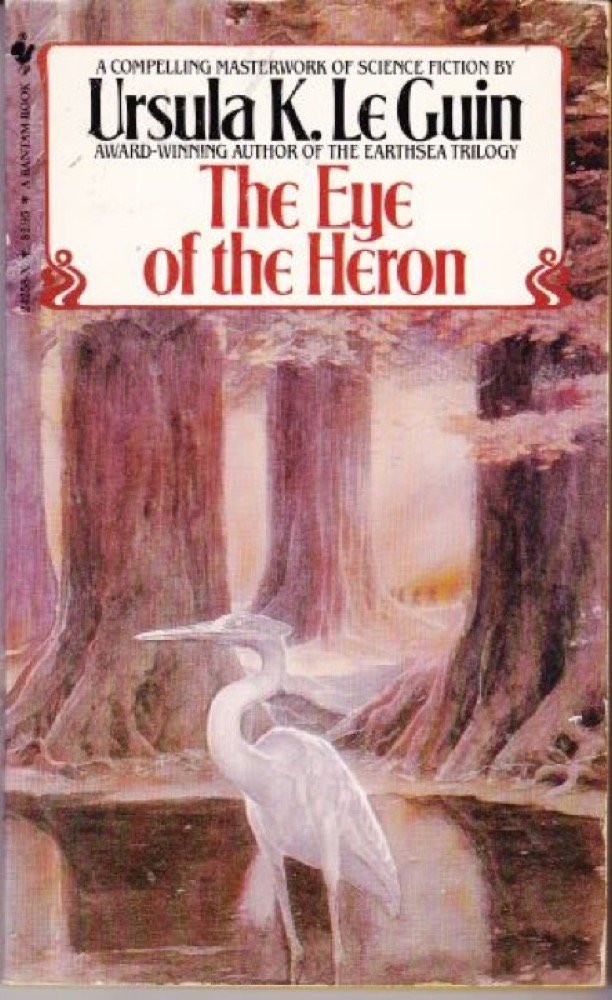
This novella plunges readers into the alien world of Oman, a planet inhabited by the Shins, an ancient, advanced species that lives in profound symbiosis with their environment, maintaining a delicate, ritualistic societal balance. Their existence is disrupted by the arrival of human refugees, survivors fleeing a war-torn Earth, who are desperately seeking a new home. Led by the pragmatic Ansalam, these newcomers bring with them the drive for survival and expansion that often leads to conflict, creating an immediate tension with the Shins' established way of life. The narrative often focuses on the young Shin, Phylos, who finds himself caught between his people's deep-rooted traditions and the radical influence of the human strangers.
Ursula K. Le Guin uses this captivating premise to explore critical themes, including the inherent conflict between tradition and the imperative for change, humanity's complex relationship with the natural world, and the very essence of progress and civilization. The story is compelling due to Le Guin's signature masterful world-building, her nuanced portrayal of alien psychology, and her exploration of profound ethical dilemmas faced by both cultures as they navigate mutual existence and survival. It offers a thought-provoking examination of empathy, consequence, and the challenging question of whether disparate societies can coexist without one inevitably dominating or destroying the other, avoiding simplistic answers for a deeper, more resonant experience.