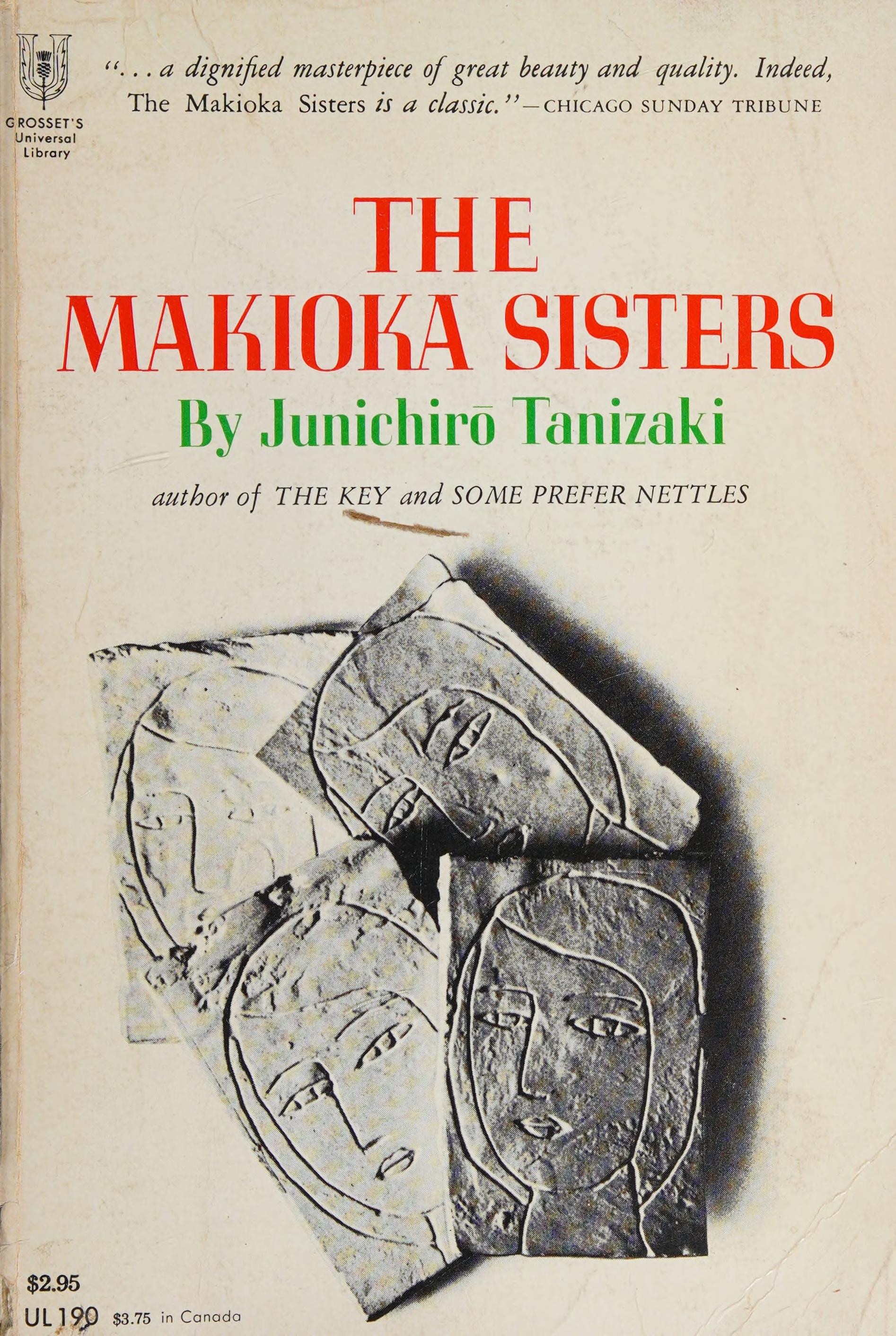
The Makioka Sisters chronicles the lives of four sisters from a once-prominent Osaka merchant family during the 1930s, a period of significant social and economic upheaval in Japan. The central concern driving the narrative is the impending arranged marriage of the third sister, Taeko. As the family's fortunes have waned, the elders, particularly the pragmatic second sister Sachiko and the dutiful eldest, Tsuruko, grapple with maintaining their social standing and securing a reputable match for Taeko. However, Taeko herself is far from compliant, harboring her own desires and a spirit that chafes against the rigid expectations of their class, which complicates the family's intricate efforts to preserve their legacy and reputation.
Junichiro Tanizaki masterfully explores themes of societal decline, the tension between tradition and encroaching modernity, and the evolving roles of women in pre-war Japan. The novel serves as an elegiac tribute to a vanishing way of life, detailing the rituals, aesthetics, and social intricacies of the Kansai region's elite with vivid precision. What makes the novel so compelling is its rich tapestry of character relationships, particularly the complex bonds and subtle rivalries among the sisters, as well as Tanizaki's exquisite prose. He renders both the sensuous details of daily existence and the underlying currents of melancholy and quiet desperation with profound insight, inviting readers to reflect on beauty, change, and the persistent human search for identity and belonging in a world poised on the brink of profound transformation.