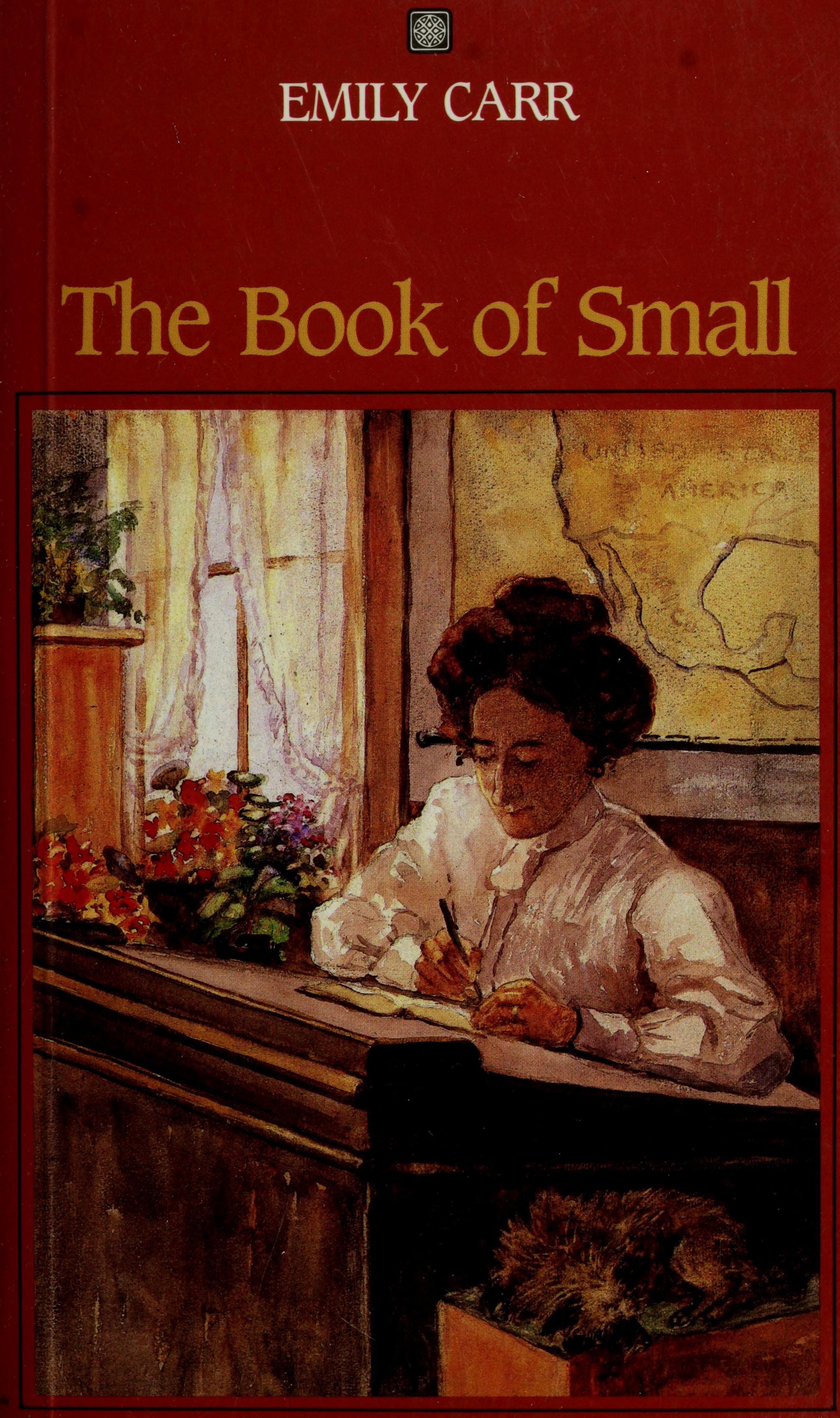
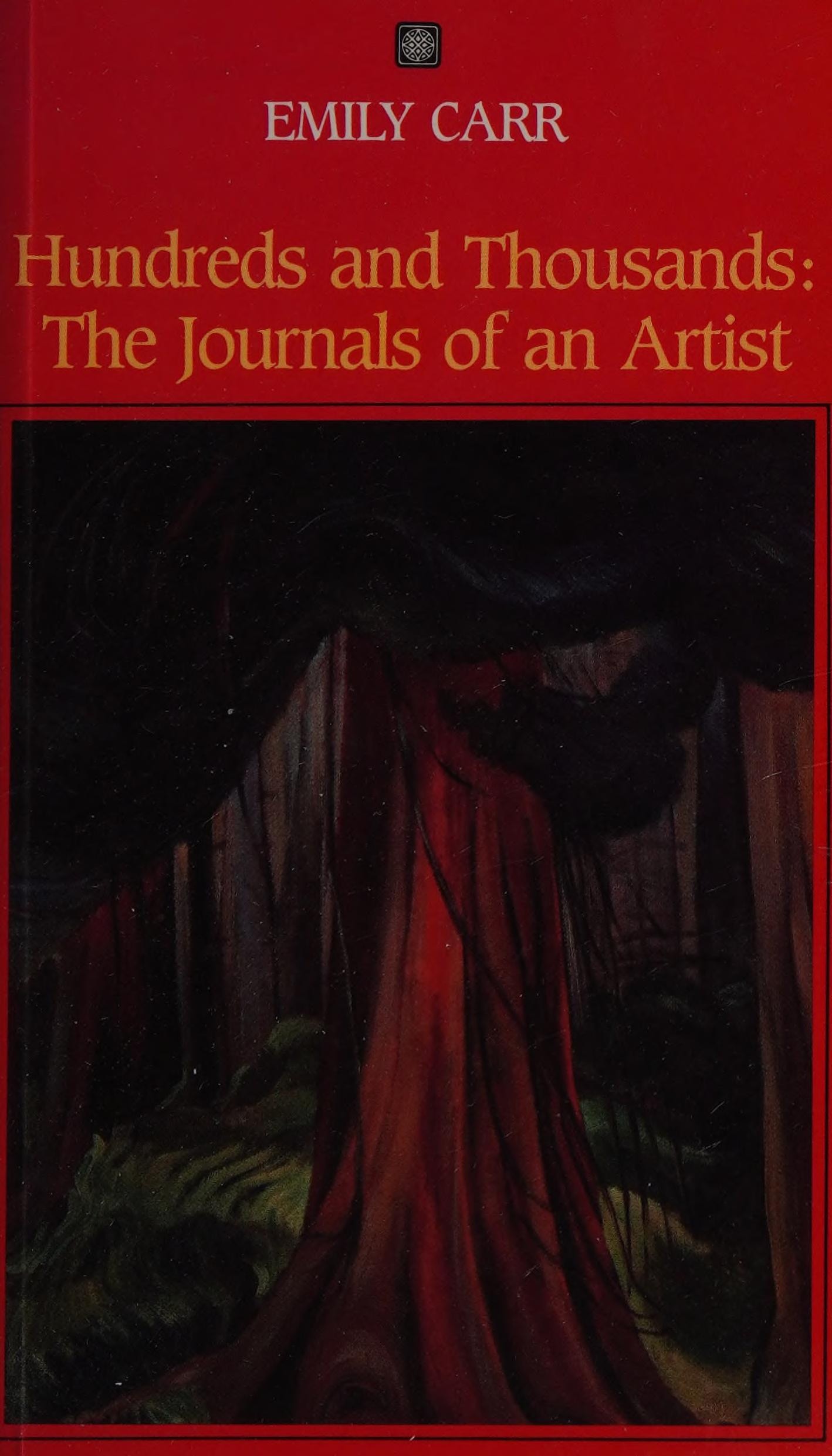
Emily Carr's "The Book of Small" offers a series of intimate, recollected glimpses into her childhood years spent in late 19th-century Victoria, British Columbia. Rather than a continuous narrative, the book is composed of personal essays and anecdotes that capture the essence of her early life, observed through the lens of her adult memories. The central premise is the exploration and reconstruction of a formative world, filtered through the unique perspective of a young, exceptionally observant girl who often felt out of step with conventional society, yet deeply attuned to the wonders around her.
The primary character is Carr herself as a child, portrayed with a spirit of independence and imagination that foreshadows her later artistic career. She interacts with a rich tapestry of individuals, including her family, neighbours, and other adults who left indelible marks on her young consciousness. Animals, particularly her dogs, play a vital role as companions and confidantes. Key themes explored include the vivid perceptions of childhood, the contrast between youthful wonder and societal expectations, the formation of personal identity, and the early influences that shaped her artistic sensibility and profound connection to nature.
This collection is compelling due to Carr's distinctive narrative voice, which is both powerfully descriptive and remarkably honest. She possesses an exceptional ability to convey the intensity and raw emotion of childhood experiences, finding profound meaning in everyday occurrences. "The Book of Small" provides an insightful and personal look into the formative years of a pioneering Canadian artist, revealing the origins of her independent spirit and her unique artistic vision, making it a moving testament to memory and self-discovery.