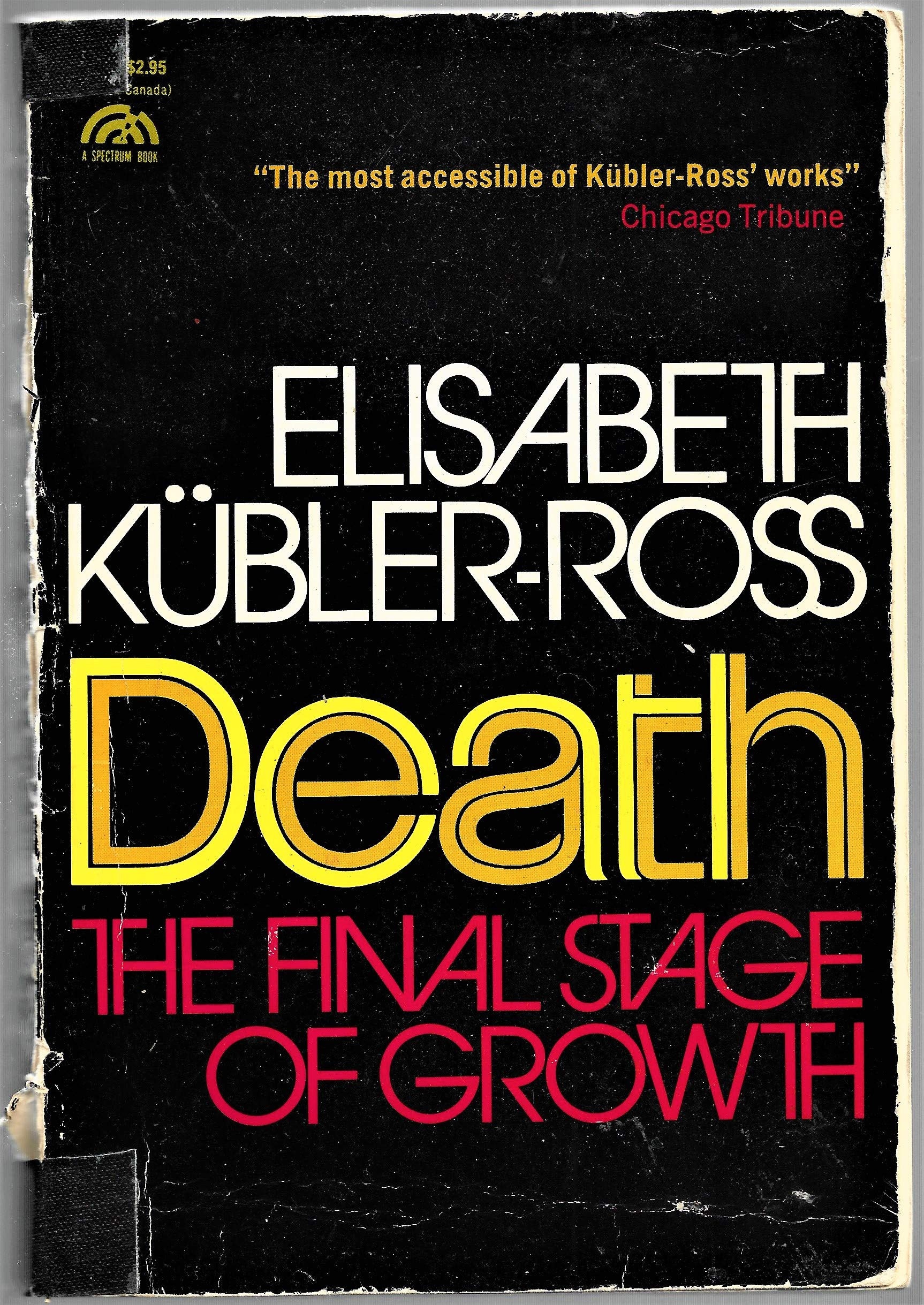
Elisabeth Kübler-Ross
Elisabeth Kübler-Ross was a Swiss-born American psychiatrist and author, renowned for her pioneering work in near-death studies and thanatology (the study of death and dying). She is best known for developing the five stages of grief: denial, anger, bargaining, depression, and acceptance. Her groundbreaking book, "On Death and Dying" (1969), revolutionized the care of the terminally ill and changed attitudes toward pain control and death itself. She was a co-founder of the hospice movement and emphasized compassionate, patient-centered end-of-life care.
Awards
["National Women's Hall of Fame", 'Time "Top Thinkers of the 20th Century"', 'Woman of the Year 1977', "New York Public Library's: Book of the Century", '20 Honorary degrees', 'ADEC – Association for Death Education and Counseling – Lifetime Achievement Award, 1995', 'William C. Menninger Award by the American College of Physicians, 2005', 'Medal of Honor from the Hospice and Palliative Nurses Association, 2006']
Notable Works
['On Death and Dying', 'Questions and Answers on Death and Dying', 'Living with Death and Dying', 'The Hospice Handbook', 'AIDS: The Ultimate Challenge', 'On Grief and Grieving', 'On Children and Dying', 'On Life After Death']